
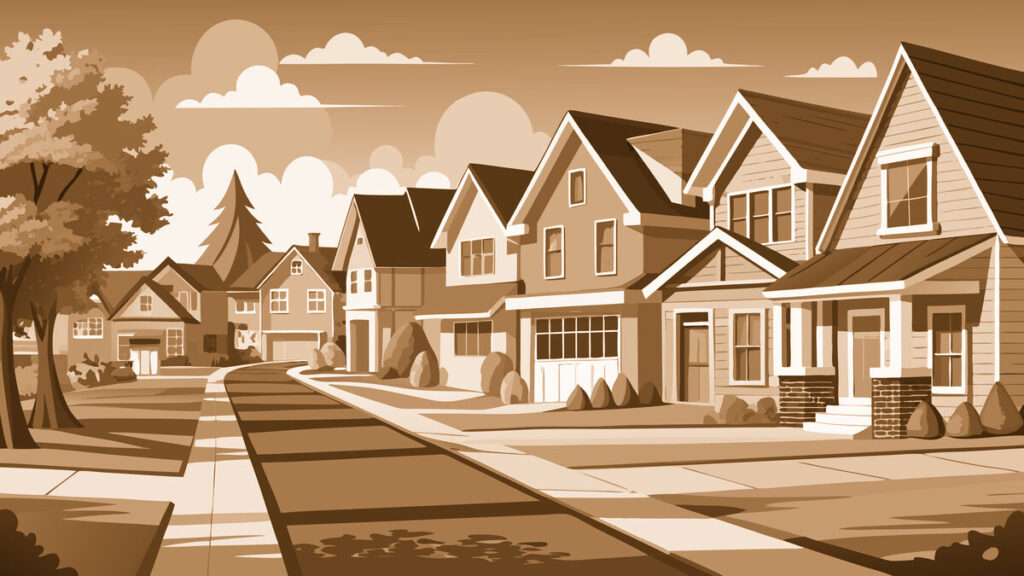
Nestled just south of downtown Los Altos, the Doud Jones Tract is more than a neighborhood—it’s a piece of living history. With tree-lined streets, classic Californian homes, and a community spirit that’s as vibrant today as it was decades ago, Doud Jones Tract stands as a testament to the evolving story of Los Altos. Whether you’re a longtime resident, a newcomer, or simply passing through, here’s what makes this neighborhood so undeniably special.
The Origins: From Rural Acreage to Welcoming Community
Long before the area became synonymous with cozy cul-de-sacs and family cookouts, the land we now know as Doud Jones Tract was open range—rolling farmland punctuated by orchards and grazing cattle. In the late 19th and early 20th centuries, Los Altos itself began as part of Rancho San Antonio, a sprawling Mexican land grant.
The name “Doud Jones Tract” honors two men of local renown: William Doud, a land investor who saw potential in the fertile soils of Santa Clara Valley, and Charles Jones, who helped subdivide and develop the area between the 1920s and 1940s. Their vision transformed a patchwork of fields along present-day Los Altos Avenue and Alicia Way into the distinctive community we know now.
Naming the Neighborhood: A Tale of Two Pioneers
William Doud’s legacy is entwined with numerous parcels throughout the Bay Area, but it’s in Los Altos where his mark endures. When Doud initially purchased much of the tract, he focused on maintaining its agricultural productivity while allowing for measured, community-minded development.
Charles Jones, a builder by trade, partnered with Doud to subdivide the property. Inspired by the post-World War I housing boom and the increasing allure of suburban living, Jones mapped streets like Eleanor Avenue and Marvin Avenue, shaping an inviting grid. The neighborhood’s collective title, “Doud Jones Tract,” pays homage to their partnership and vision.
Key Historical Milestones
- 1920s–40s: Subdivision and Initial Development
As Los Altos transitioned from a rural outpost to a commuter haven (thanks largely to the advent of the interurban railway), parcels in Doud Jones Tract were gradually sold for single-family homes. Early deeds often featured now-charming restrictions: prohibitions on livestock in yards and stipulations for certain tree plantings, underscoring the founders’ desire for a tidy, neighborly aesthetic.
- Post-War Boom, 1950s–60s
The Doud Jones Tract saw another wave of growth after World War II. Veterans returning to the Bay Area snatched up spacious lots, attracted by the relatively affordable homes and proximity to downtown Los Altos and top-rated schools, like Gardner Bullis Elementary just a stone’s throw away. Streets such as Alicia Way and Los Altos Avenue became symbols of “California living”—broad front lawns, mature oaks, and room to grow.
- Modern Preservation and Renewal
Throughout the 1980s and 1990s, residents rallied to maintain the neighborhood’s distinct feel despite the financial pressures of Silicon Valley’s tech boom. The Doud Jones Tract Homeowners Association formed, committed to upholding architectural harmony and advocating for traffic-calming on busy cross-streets like Fremont Avenue.
Notable Landmarks and Institutions
While the Doud Jones Tract may not boast grand monuments, its quiet charms are many:
- Heritage Homes: Craftsman cottages, mid-century ranches, and custom bungalows line streets like Los Altos Avenue, Eleanor Avenue, and the tip of Lincoln Avenue. A stroll through the neighborhood offers a living timeline of Bay Area residential architecture.
- Shoup Park: Just a quick bike ride from the heart of the tract, Shoup Park has been a gathering place for generations—picnic tables beneath towering redwoods, a playground alive with laughter, and the stately Garden House that hosts everything from weddings to scout meetings.
- Nearby Los Altos History Museum: While not inside the tract, this beloved institution on San Antonio Road beautifully documents the transformation of local neighborhoods, including historic photos and oral histories from Doud Jones Tract.
- Los Altos Avenue’s Heritage Trees: Some oaks and redwoods along Los Altos Avenue predate the founding of the city itself. These giants stand as living sentinels, connecting current residents to the valley’s earliest days.
Evolution Through the Decades
The rhythm of life in Doud Jones Tract has changed with the times, but its fundamental character endures. Neighbors still pause to chat near corner mailboxes or gather for the annual Fourth of July block party. Children bike along tree-shaded sidewalks much as their parents and grandparents did.
Recent years have brought thoughtful renovations and a few tasteful new constructions, reflecting both pride in the neighborhood’s roots and a willingness to embrace modern needs. Some original homes now sport solar panels or drought-tolerant landscaping, a nod to the valley’s sustainable future.
What Makes Doud Jones Tract Special
Ask any resident and they’ll tell you: it’s the sense of belonging that defines Doud Jones Tract. Here, history isn’t just remembered; it’s lived daily—in backyard barbecues, in caroling along Alicia Way during the holidays, and in the communal joy of Shoup Park picnics.
Perhaps the best way to experience Doud Jones Tract is simply to wander its quiet lanes, pause beneath the shade of a venerable oak, and imagine the generations who’ve called this neighborhood home. Through every change, Doud Jones Tract remains a cherished thread in the tapestry of Los Altos—a place where the past and present meet, and where the future feels right at home.